Saturday, 12 October 2013

Tuesday, 8 October 2013
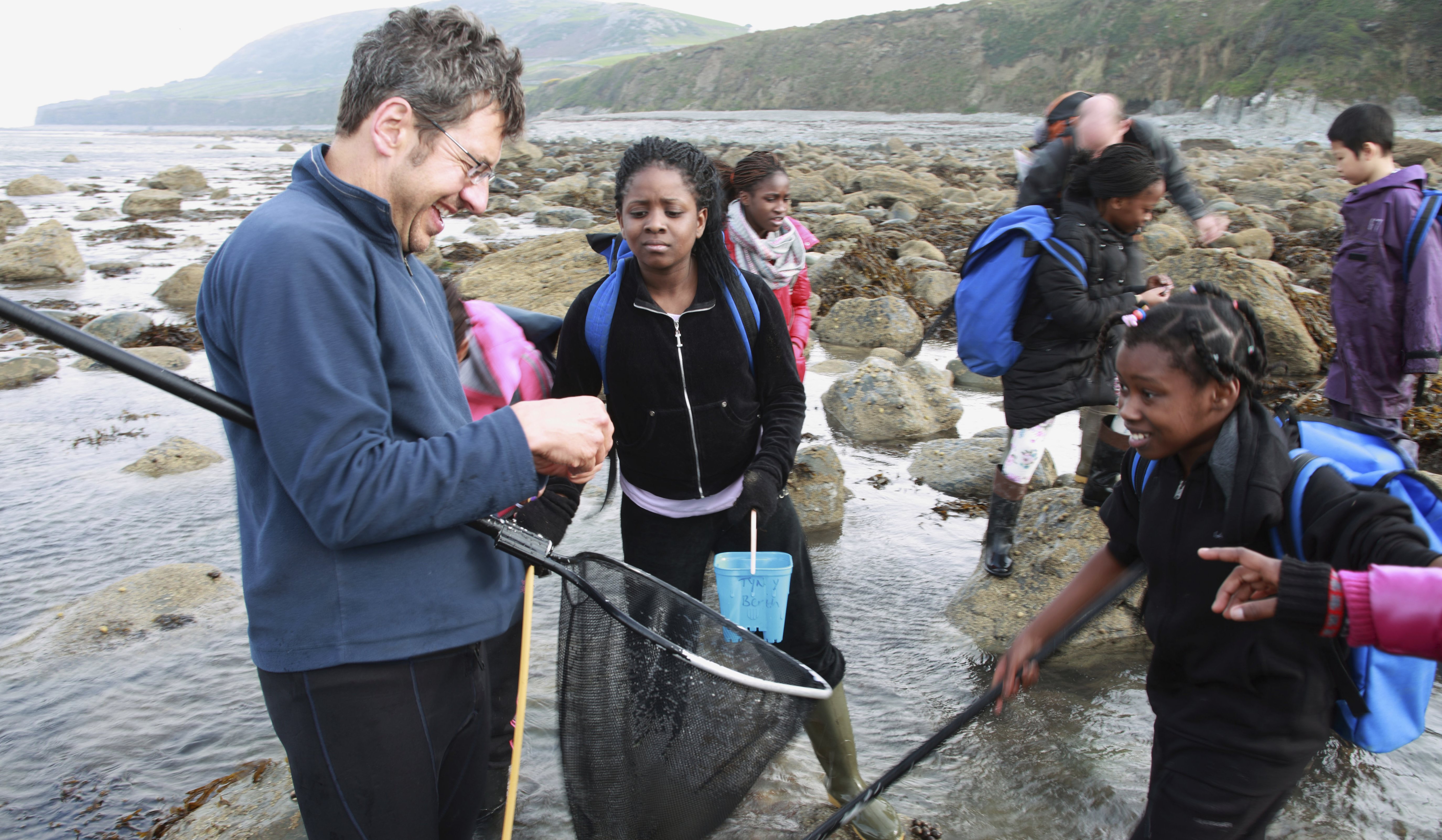
The problem with education? Children aren't feral enough
The 10-year-old Londoners I took to Wales were proof that a week in the countryside is worth three months in a classroom
George Monbiot
 '
'
"Instead of being encouraged to observe and explore and think and develop, children are
being treated like geese in a foie gras farm" Illustration by Belle Meller.
What is the best way to knacker a child's education? Force him or her to spend too long in the classroom. An overview of research into outdoor education by King's College London found that children who spend time learning in natural environments "perform better in reading, mathematics, science and social studies". Exploring the natural world "makes other school subjects rich and relevant and gets apathetic students excited about learning".

Friday, 4 October 2013
Derby Muslim faith school closes on first day of Ofsted inspection
Al-Madinah school shuts its doors to pupils over 'health and safety issue' just hours after inspectors arrive.
Richard Adams

Ofsted is currently undertaking a two-day inspection of the Al-Madinah school. Photograph: Martin Argles for the Guardian
Wednesday, 2 October 2013
Do examinations get in the way of learning?
The national obsession with measuring progress places a premium on
cognitive development but does not consider the whole child, says Tricia Kelleher
 Is the development of students as individuals getting lost in the exam conveyor belt? Photograph: Aly Song/REUTERS
Watch out for the sharks! The plank is for the bad pirates."
This snatch of conversation between two, three year-old children in our pre-prep captures brilliantly their learning experience. Adults tend to equate learning to the amount of time children sit behind desks. But the children I observed were outside, creating a world of buccaneers, princesses and sword wielding heroes. I was even given a lesson in ballroom dancing by two little girls keen to share their skills with me.
Is the development of students as individuals getting lost in the exam conveyor belt? Photograph: Aly Song/REUTERSWatch out for the sharks! The plank is for the bad pirates."
This snatch of conversation between two, three year-old children in our pre-prep captures brilliantly their learning experience. Adults tend to equate learning to the amount of time children sit behind desks. But the children I observed were outside, creating a world of buccaneers, princesses and sword wielding heroes. I was even given a lesson in ballroom dancing by two little girls keen to share their skills with me.
Tuesday, 1 October 2013
Children should be taught how to 'lose graciously', says independent schools leader
Children should be taught how to “lose graciously” to prepare them for life after school, an independent schools leader said today.

Eddy Newton, president of the Independent Association of Preparatory Schools, said pupils should be shown the etiquette of shaking hands with their opponent after a game and telling them: “Well done - you were better on the day.”
Eddy Newton, president of the Independent Association of Preparatory Schools, said pupils should be shown the etiquette of shaking hands with their opponent after a game and telling them: “Well done - you were better on the day.”
Sunday, 29 September 2013
How to teach… ancient Greece
The Guardian Teacher Network has some imaginative teaching resources to help explore ancient Greek life, achievements and philosophy.
Emily Drubble
Fans of the classical world are delighted to discover Ancient Greece's firm foothold in the key stage 2 primary curriculum which begins next September.
The Guardian Teacher Network has some stimulating teaching resources to help explore the life and achievements of ancient Greeks and look at their huge influence on the western world in key stage 2 and beyond.
Friday, 13 September 2013
Wednesday, 11 September 2013
Run, don’t walk’: The school that gets pupils to generate electricity
Special floor tiles produce sustainable energy when pupils pound them

In a reversal of normal classroom rules, students have been encouraged to run and jump around a corridor at a Kent school.
It’s because the corridor has been laid with special kinetic tiles and every footstep on them creates sustainable energy.
Which Study Strategies Make the Grade?

Education generic desks classroom school / iStockphoto
Report finds several popular study strategies are ineffective; effective study strategies are underused
Students everywhere, put down those highlighters and pick up some flashcards! Some of the most popular study strategies — such as highlighting and even rereading — don’t show much promise for improving student learning, according to a new report published in Psychological Science in the Public Interest, a journal of the Association for Psychological Science.
Thursday, 5 September 2013
The 3 R’s 4 Success
By Bill Powers
@MrPowersCMS
 I
still believe it boils down to GREAT teachers that instill the 3 R’s –
RELEVANCE, RIGOR, and RELATIONSHIPS in everyday practice.
I
still believe it boils down to GREAT teachers that instill the 3 R’s –
RELEVANCE, RIGOR, and RELATIONSHIPS in everyday practice.What does this mean?
Subscribe to:
Posts (Atom)